

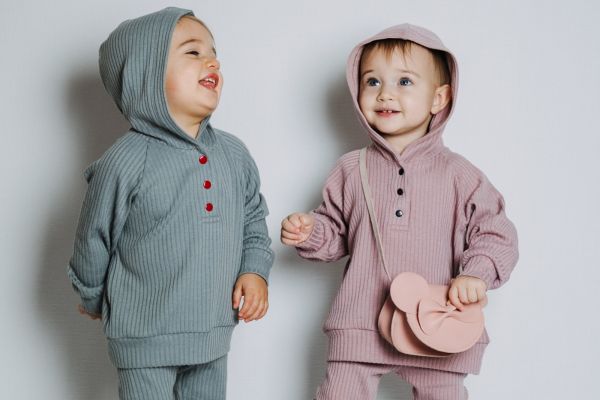
Toddler clothing has a very specific job. It needs to be soft enough for sensitive skin, strong enough for crawling, climbing, running, and tumbling, and practical enough to survive snack spills, playground dust, and endless washing. At the same time, parents still want clothes that look sweet, modern, and easy to style. That is one reason Organic clothing for toddlers has become such a thoughtful part of children’s fashion.
Organic toddler clothing is not just a passing trend or a label that sounds nice. For many families, it reflects a more careful way of dressing little ones. Toddlers are at an age where comfort matters deeply, even if they cannot always explain it. A scratchy seam, stiff waistband, or heavy fabric can quickly turn into pulling, fussing, or refusing to wear something at all. Organic fabrics, especially organic cotton, are often chosen because they feel gentle, breathable, and naturally suited to everyday toddler life.
Fashion for toddlers should never feel too precious. These are the years of messy hands, sudden naps, outdoor adventures, and tiny opinions that appear out of nowhere. The best organic clothing understands that. It offers softness and simplicity while still leaving room for playful colors, relaxed shapes, and charming details.
Why Organic Clothing Feels Right for Toddler Skin
Toddler skin can be more sensitive than adult skin, and parents often notice quickly when a fabric does not feel right. Red marks from tight elastic, irritation around necklines, or discomfort from rough tags can make an otherwise cute outfit completely impractical. Organic clothing is often made with softer, less harshly treated fibers, which can make it feel more comfortable for daily wear.
Organic cotton is one of the most common choices because it is breathable and gentle. It lets air move through the fabric, which helps toddlers stay comfortable during active play or warmer days. For children who spend a lot of time moving between indoors and outdoors, that breathability makes a real difference.
The appeal is not only about softness. Organic clothing often has a calmer, more natural feel. It tends to avoid overly stiff finishes and heavy coatings, so the clothes sit more easily on the body. For toddlers, who are constantly bending, stretching, squatting, and running in slightly unpredictable directions, that easy movement is essential.
Comfort Is the Real Fashion Standard
When it comes to toddler style, comfort is not a bonus. It is the standard everything else should follow. A beautiful outfit that limits movement or feels uncomfortable will not last long in a toddler’s real day. That is why organic clothing for toddlers often focuses on simple cuts, stretchy fabrics, and relaxed fits.
Soft leggings, pull-on trousers, roomy rompers, cotton dresses, loose tees, sweatshirts, and sleepsuits are everyday favorites because they work with a toddler’s natural movement. They are easy to wear, easy to wash, and easy to layer. Parents may love the look, but toddlers care most about whether they can run, sit, climb, and nap without feeling restricted.
This is where organic toddler fashion feels especially practical. The style is usually gentle rather than overdesigned. Instead of stiff collars or complicated fastenings, the focus is on wearable shapes. A soft organic cotton top with joggers may look simple, but for a toddler, it can be the perfect outfit for a full day of play.
Soft Colors Give Organic Toddler Clothing Its Charm
Organic toddler clothing often comes in soft, earthy, and nature-inspired colors. Cream, oatmeal, sage green, dusty rose, sky blue, clay, warm brown, butter yellow, and muted lavender are common shades. These colors have a quiet charm. They feel modern without looking too grown-up and sweet without becoming overly bright.
Soft colors are also easy to mix and match. A cream top can go with patterned leggings, denim, corduroy trousers, or a knitted cardigan. A sage romper can work on its own in warm weather and under a sweater when the day is cooler. This flexibility is helpful for parents who want a smaller, more useful toddler wardrobe.
Of course, organic clothing does not have to mean plain neutrals only. Toddlers still look wonderful in cheerful shades and playful prints. The difference is that many organic collections use color in a softer, more balanced way. Instead of overwhelming the outfit, color adds warmth and personality.
Everyday Basics Make the Biggest Difference
Parents do not always need a full wardrobe of special pieces. In fact, the most useful organic toddler clothes are often the basics worn again and again. A few soft tees, comfortable leggings, pull-on trousers, bodysuits, pajamas, sweatshirts, and cardigans can form the heart of a toddler wardrobe.
These basics matter because they sit closest to the skin and are worn for long hours. Organic cotton pajamas, for example, can feel especially comforting at bedtime. Soft bodysuits or undershirts can make layering easier. Stretchy organic leggings can handle nursery, playdates, errands, and relaxed days at home.
A good basic should not feel boring. Small details such as ribbed texture, wooden-style buttons, gentle stripes, tiny embroidered motifs, or curved hems can make simple clothes feel considered. Toddler fashion works best when the details are sweet but not fussy.
Practical Designs Help Parents Too
Toddler clothing needs to make sense for parents and caregivers as well. Anyone who has dressed a wriggly toddler knows that complicated outfits are rarely worth the struggle. Organic toddler fashion is often strongest when it combines softness with practical design.
Easy snaps, envelope necklines, stretchy waistbands, roomy sleeves, and wide openings can make dressing much smoother. Pull-on trousers are easier for quick changes. Cardigans and zip layers are useful when temperatures change. Rompers with simple closures can be adorable and practical at the same time.
Washability is another major point. Toddlers are not careful with clothes, and they should not have to be. Organic clothing that can be washed regularly without losing shape is far more useful than delicate pieces that need special treatment. The best toddler outfits are the ones that can go from breakfast mess to outdoor play and still return to the drawer after a normal wash.
Organic Pajamas Are a Popular Starting Point
For many parents, pajamas are the first organic clothing choice. It makes sense. Toddlers spend many hours sleeping, resting, and lounging in nightwear, so soft fabric matters. Organic cotton pajamas can feel breathable and gentle, especially for children who get warm at night or dislike rough seams.
Simple pajama sets, footless sleepsuits, and soft one-piece designs are all popular options. The best styles are snug but not tight, warm but not heavy, and easy to move in. Toddlers often twist, roll, curl, and stretch while sleeping, so comfort during movement is just as important at night as it is during the day.
Pajamas also show how organic clothing can be practical and beautiful at once. Soft stripes, tiny stars, moon prints, animals, florals, or calm solid colors can make bedtime clothing feel special without becoming overly decorative.
Layering Makes Organic Toddler Outfits More Useful
Layering is one of the easiest ways to make toddler clothing work across changing weather and busy routines. Organic cotton tops, light cardigans, soft hoodies, quilted jackets, knitted vests, and simple sweatshirts can all help create flexible outfits.
Toddlers may feel warm while playing, then cold after sitting still. They may move from a heated room to a breezy outdoor space within minutes. Layers allow parents to adjust quickly without changing the whole outfit. A short-sleeve organic tee can be worn alone on a mild day or layered under a cardigan when it gets cooler.
Layering also helps extend the use of seasonal clothes. A summer romper can work with tights and a sweater. A cotton dress can be worn over leggings. A soft long-sleeve top can sit under dungarees. This makes the wardrobe feel more complete without needing too many separate pieces.
Prints Inspired by Nature Feel Especially Sweet
Organic toddler clothing often pairs beautifully with nature-inspired prints. Tiny leaves, soft florals, animals, clouds, fruits, stars, trees, and garden patterns all suit the gentle feel of organic fabrics. These prints add a playful touch while still feeling timeless.
Nature prints are lovely for toddlers because they feel imaginative without being too loud. A small fox print on a sweatshirt, a daisy pattern on leggings, or a pear motif on a romper can bring personality to an outfit in a soft way. These designs often feel less tied to fast trends, which means they can be worn longer and passed down more easily.
The most charming toddler outfits usually have just enough detail. A printed top with plain trousers, or patterned leggings with a simple tunic, keeps the look balanced. Toddlers already bring plenty of movement and energy to an outfit. The clothes do not need to compete with that.
Durability Matters More Than Perfection
Organic clothing is often associated with softness, but durability is just as important. Toddlers are hard on clothes. They crawl, kneel, spill, tug, roll, climb, and sometimes decide that sleeves are napkins. Clothing needs to handle that reality.
Well-made organic toddler pieces often include strong seams, good-quality fabric, and shapes that do not depend on a perfect fit. Slightly roomy designs can last longer as toddlers grow. Stretch fabrics can adapt to movement. Reinforced knees or thicker cotton can help everyday trousers survive more active play.
Parents sometimes worry that organic clothing is too delicate, but good organic toddler wear should not feel like something saved only for special days. It should be wearable. It should be able to join real life. The best pieces are soft, yes, but also practical enough for the playground.
A Smaller Wardrobe Can Work Better
One of the quiet benefits of choosing organic clothing for toddlers is that it often encourages more thoughtful buying. Instead of filling drawers with too many pieces, parents may choose fewer items that feel better and last longer. This can make dressing easier.
A toddler wardrobe does not need to be huge. A selection of comfortable tops, bottoms, pajamas, layers, and a few special pieces is usually enough when the colors and styles work together. Neutral and soft-toned organic basics are especially useful because they can be mixed in many ways.
This approach also reduces clutter. It becomes easier to see what fits, what is clean, and what is actually being worn. Toddlers often have favorites anyway. A small wardrobe filled with comfortable, wearable pieces may be more useful than a crowded one full of outfits that never leave the drawer.
Organic Clothing and Everyday Toddler Style
Organic toddler fashion has a natural, relaxed beauty. It does not need heavy styling. A soft cotton romper, a ribbed top with leggings, a little cardigan over a dress, or pull-on trousers with a striped tee can look completely charming. The appeal comes from ease.
For casual days, organic basics are perfect. For nursery or daycare, soft layers and washable pieces make sense. For family outings, a simple organic dress, dungarees, or a knitted set can feel polished without being uncomfortable. Even for special occasions, organic cotton and linen pieces can look sweet while still letting toddlers move freely.
The best toddler outfits are not the ones that look perfect for five minutes. They are the ones that still make sense after a snack, a nap, a walk, and a few rounds of play. Organic clothing fits that rhythm beautifully when chosen with real life in mind.
Conclusion
Organic clothing for toddlers is more than a fashion preference. It is a practical, gentle, and thoughtful way to dress children during one of their busiest stages of growth. Soft fabrics, breathable textures, relaxed fits, nature-inspired colors, and simple designs all help toddlers feel comfortable while still looking naturally stylish.
What makes organic toddler fashion so appealing is its balance. It can be sweet without being fussy, practical without being dull, and stylish without forgetting the needs of a small child. The focus stays where it should be: on comfort, movement, softness, and everyday wear.
Toddlers need clothes that can keep up with them. They need outfits for running, resting, exploring, spilling, laughing, and growing. When clothing feels good, lasts well, and supports those little daily adventures, it becomes more than something cute to wear. It becomes part of a calmer, kinder way to dress childhood.