

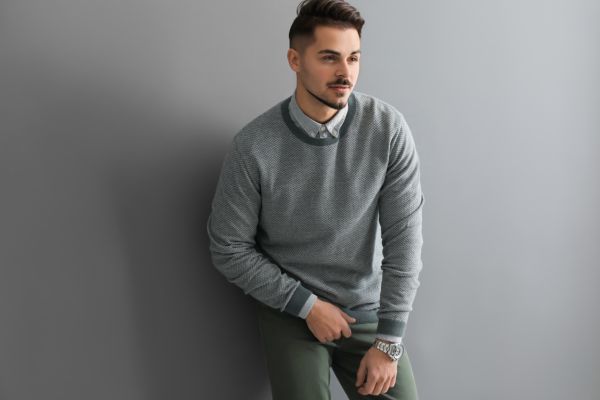
Fall has a way of making style feel interesting again. After months of light fabrics, open collars, and simple summer dressing, the cooler season brings back texture, layering, deeper colors, and clothes with a little more structure. It is the time of year when a man’s wardrobe can feel both practical and expressive. A good jacket matters. Boots start making sense again. Sweaters return. Even a simple outfit suddenly has more room to develop.
That is what makes fall fashion for men so appealing. It does not demand dramatic changes or complicated styling. Instead, it rewards thoughtful choices. A shirt layered under a knit. A wool coat over denim. A pair of boots replacing lightweight sneakers. Small changes can make an outfit feel warmer, sharper, and more suited to the season.
Fall dressing is really about balance. The weather can shift from mild afternoons to chilly evenings, so clothes need to adapt. At the same time, this season gives men a chance to dress with more depth. Texture, color, and proportion all become more noticeable. When done well, fall style feels comfortable without looking lazy and polished without feeling stiff.
The Beauty of Layering
Layering is the heart of fall dressing. It is practical, of course, because temperatures change throughout the day. But it is also one of the easiest ways to make an outfit look more intentional. A T-shirt and jeans may feel too plain on their own, but add an overshirt or lightweight jacket and suddenly the look has shape.
The best layering starts with simple pieces. A cotton T-shirt, henley, Oxford shirt, or fine knit can work as a base. Over that, you can add a flannel shirt, cardigan, denim jacket, bomber, chore coat, or blazer depending on the mood. The outer layer should bring either structure or texture, ideally both.
The trick is not to pile on clothing randomly. Each layer should have a purpose. If the base is thin and clean, the middle layer can be softer or more textured. If the jacket is bulky, keep the pieces underneath more streamlined. That way, the outfit looks deliberate rather than heavy.
Building a Fall Color Palette
Fall naturally invites richer colors. Navy, charcoal, brown, olive, burgundy, camel, cream, and deep green all feel right during the season. These shades work well because they are grounded but not boring. They also pair easily with denim, leather, wool, and suede.
A man does not need to replace his entire wardrobe to dress for fall. Even adding one or two seasonal colors can shift the mood. An olive overshirt over a white tee. A burgundy sweater under a navy coat. Brown boots with dark jeans. These combinations feel autumnal without looking like a costume.
Neutrals are especially useful because they allow texture to stand out. A grey wool sweater, camel coat, or cream knit can look simple at first, but the fabric gives it depth. That is one of the quiet pleasures of fall fashion. The clothes do not need to shout.
The Return of the Sweater
A good sweater is one of the most useful pieces in any fall wardrobe. It can be casual, smart, relaxed, or refined depending on how it is worn. Crewneck sweaters are easy and clean. V-necks work well over collared shirts. Turtlenecks add a little drama and look especially sharp under coats or blazers.
Fabric matters here. Cotton sweaters are good for early fall, while wool and cashmere blends offer more warmth as the weather cools. Chunkier knits feel casual and cozy, while fine-gauge knits look more polished.
Sweaters also help soften an outfit. A leather jacket can look more approachable with a knit underneath. A blazer can feel less formal when worn over a lightweight sweater instead of a dress shirt. Even jeans and boots look more considered with the right knit on top.
Jackets That Define the Season
Fall is jacket season, and that is part of its charm. The right jacket can carry an entire outfit. It adds shape, warmth, and personality before anything else.
A denim jacket is a classic choice for mild days. It works well over tees, hoodies, and flannels. A bomber jacket has a sportier feel and looks especially good with slim or straight-leg trousers. A chore coat brings a relaxed, workwear-inspired mood, while a field jacket adds rugged practicality.
For slightly dressier outfits, a wool overcoat or tailored topcoat can make even casual clothes look more refined. Throw one over a sweater and jeans, and the whole outfit feels elevated without much effort. Leather jackets, meanwhile, bring edge and confidence, especially when paired with simple pieces that allow the jacket to stand out.
The best fall jackets are versatile. They should work across different settings, not just one specific occasion.
Denim That Feels Right for Cooler Weather
Denim is useful year-round, but it feels especially at home in fall. Dark indigo, washed black, grey, and classic blue jeans all pair well with seasonal layers. The key is fit. Jeans should feel comfortable but not sloppy. Straight, slim-straight, and relaxed tapered fits are often the easiest to style.
Fall also opens the door to heavier denim. A slightly thicker fabric works better with boots, jackets, and sweaters. Light, thin denim can still work, but heavier textures tend to match the mood of the season more naturally.
Denim shirts and jackets also deserve attention. A denim shirt under a wool coat can look rugged but refined. A denim jacket layered with a hoodie or flannel creates an easy weekend look. The fabric has character, and fall is the perfect season to use it.
Boots Make the Outfit Stronger
Footwear changes the feeling of fall outfits more than people realize. Summer sneakers and loafers still have their place, but boots bring a different kind of presence. They add weight, structure, and seasonal character.
Chelsea boots are sleek and easy to dress up. They look good with slim jeans, tailored trousers, and overcoats. Chukka boots are more relaxed and work well with denim and casual jackets. Lace-up boots feel rugged, especially with flannel, heavier denim, and workwear pieces.
Brown leather and suede are both strong choices for fall. Black boots feel sharper and more urban, while tan or dark brown boots create a warmer effect. The main thing is maintenance. Clean boots, even slightly worn ones, look stylish. Neglected boots can make the whole outfit feel careless.
The Role of Texture
Texture is one of the biggest reasons fall dressing looks so good. Wool, corduroy, suede, leather, flannel, denim, and heavier cotton all bring visual interest. Even when the colors are simple, the outfit can still feel rich.
A corduroy shirt, for example, adds warmth without needing a bold print. A suede jacket feels softer than leather but still stylish. A wool scarf can make a basic coat look more complete. Texture gives depth to outfits in a way that bright colors sometimes cannot.
The key is mixing textures carefully. A wool sweater with denim works. A leather jacket with cotton chinos works. A flannel shirt under a canvas jacket works. When everything has the same surface, an outfit can look flat. When textures vary, it feels more alive.
Smart Casual Dressing in Fall
Fall is a great season for smart casual outfits because layers make the balance easier. A blazer can feel less formal with a knit underneath. Chinos can look more relaxed with boots. A collared shirt can be worn open over a T-shirt for a casual but polished effect.
For work, dinners, or social events, simple combinations usually work best. A navy blazer with a grey sweater. Dark jeans with Chelsea boots and a topcoat. Chinos with a button-down shirt and suede jacket. These looks are not overly dressed up, but they show effort.
Smart casual style should feel natural. If the outfit looks too perfect, it can feel stiff. A slightly relaxed texture, an open collar, or a softer jacket can keep things comfortable.
Accessories That Finish the Look
Fall accessories should be useful first, but they also add style. A wool scarf, leather gloves, beanie, watch, or structured bag can complete an outfit without making it feel overdone.
Scarves are especially effective because they add both warmth and movement. Neutral scarves are easy to wear, while plaid or textured scarves can bring personality. Beanies work best when they are simple and well-fitted. A leather belt and watch can quietly tie an outfit together.
Bags also matter in fall. A canvas tote, leather messenger bag, or clean backpack can suit the season better than a bulky, overly technical bag. As with all accessories, the goal is not to add more for the sake of it. The goal is to finish the look.
Dressing for Real Life
The best fall wardrobe is not built for imaginary occasions. It should work for your actual routine. If your days are casual, invest more thought into jackets, denim, boots, and knitwear. If you dress for an office, focus on sweaters, wool trousers, blazers, and polished coats. If you move between both worlds, choose pieces that can shift easily from one setting to another.
Fall fashion for men works best when it feels practical and personal. There is no need to follow every seasonal trend. A few reliable pieces, worn well, can do more than a closet full of clothes that never feel quite right.
Fit, comfort, and confidence matter more than chasing a perfect image. Clothes should help you move through the day, not make you feel like you are performing.
Conclusion
Fall is one of the best seasons for men’s style because it gives clothing more depth. Layers become useful. Jackets return. Boots feel natural. Colors grow richer, and textures add quiet interest to everyday outfits. It is a season that rewards small, thoughtful decisions.
A strong fall wardrobe does not need to be complicated. Start with pieces that fit well, choose colors that work together, and pay attention to texture and proportion. From sweaters and denim to coats and boots, each item should feel like part of a larger rhythm.
In the end, fall fashion for men is about dressing with ease, warmth, and intention. It is the art of looking put together without trying too hard, which is often the best kind of style.