

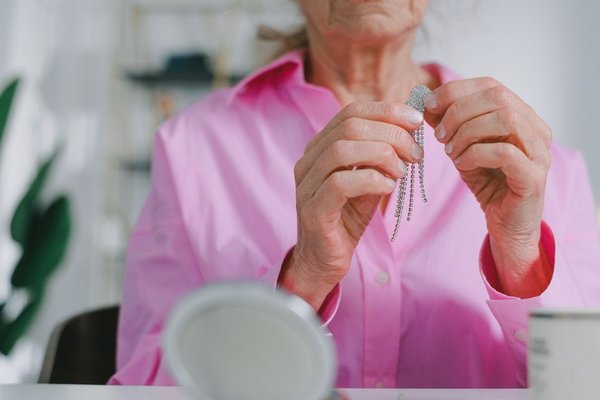
Jewelry rarely wears out all at once. More often, it changes little by little: lotion dulls a ring, a necklace tangles in a drawer, plating thins from constant rubbing, or a loose setting goes unnoticed until a stone disappears. Most of this is preventable. Good jewelry care means matching simple habits to each piece’s material, setting, and wear.
Start With the Material, Not the Cleaning Product
There is no single jewelry cleaning guide that is safe for every piece. Solid gold, sterling silver, pearls, opals, turquoise, plated jewelry, and treated gemstones can respond differently to moisture, chemicals, heat, abrasion, steam, and ultrasonic cleaning. If you know what a piece is made from, follow care guidance for that material. If you do not, choose the gentlest approach and avoid experimenting with strong cleaners.
For many pieces, a soft lint-free cloth is a sensible first step because it removes skin oils, dust, and fingerprints without adding chemicals. Warm water with a little mild soap can suit many metals and gemstones, but delicate, porous, coated, antique, glued, or treated pieces may need different care. When in doubt, ask a reputable jeweler before soaking or machine-cleaning the item.
Build a Simple After-Wear Routine
One of the most useful jewelry care tips is also the easiest: wipe pieces before putting them away. Earrings, rings, bracelets, and necklaces collect skin oils, perfume, sunscreen, makeup, and hair products. A quick wipe with a clean, soft cloth reduces buildup and means deep cleaning is needed less often.
Apply perfume, hairspray, lotion, sunscreen, and cosmetics first, then put jewelry on after those products have settled. Remove jewelry before showering, exercising, cleaning, swimming, or going to bed, especially when wearing pearls, plated finishes, delicate stones, fine chains, or raised settings.
Consider an engagement ring worn every day. If hand cream is repeatedly applied while the ring stays on, residue can collect beneath the stone and around the setting. Rather than scrubbing aggressively once it looks cloudy, remove the ring while applying cream, wipe it regularly, and have it inspected if you notice movement, snagging, or a change in how the stone sits.
Clean Gently Instead of Reaching for Stronger Products
Harsh cleaning can create damage that ordinary dirt never would. Chlorine and household cleaners can affect metals and delicate gems, while abrasives may scratch polished surfaces or wear through plating. Toothpaste is often suggested as a DIY cleaner, but its abrasiveness makes it a poor general-purpose choice.
Ultrasonic and steam cleaners also require caution. They can work for some durable jewelry, but they are not universally safe. Pearls and other organic gem materials should not go into ultrasonic or steam cleaners, and many treated, fractured, coated, heat-sensitive, or porous stones need special handling. Vibrations can also worsen an already-loose setting.
Gold, Platinum, and Durable Gemstone Pieces
For uncomplicated solid-metal jewelry with durable stones, gentle washing may be appropriate. Use lukewarm water, mild soap, and a very soft brush, working lightly where residue collects. Rinse carefully and dry thoroughly with a soft cloth. Never rinse valuable jewelry over an open drain.
Sterling Silver
Sterling silver naturally tarnishes over time. A silver polishing cloth or cleaner specifically made for silver can help, but use extra caution when the piece includes pearls, porous stones, intentional oxidized details, or finishes that polishing could alter. Dry, separate storage can reduce the need for heavy polishing.
Pearls and Sensitive Materials
Pearls are soft and can be affected by acids, cosmetics, heat, and rough handling. Put them on after perfume and makeup, then wipe them with a very soft cloth after wearing. Do not use steam or ultrasonic equipment. If strung pearls are wet-cleaned, let the thread dry completely before wearing them again.
How to Store Jewelry Without Creating New Damage
Knowing how to store jewelry matters as much as cleaning it. A mixed pile in a drawer allows hard stones and metal edges to scratch softer surfaces, while chains twist together and earring posts catch on nearby pieces. Separation is the simplest solution.
Use individual pouches, divided trays, padded ring slots, or original boxes when practical. Keep necklaces fastened and laid flat or hung with enough space to prevent knots. Store earrings as pairs. Silver can benefit from anti-tarnish storage materials, while pearls should not be left for long periods in excessively hot, dry conditions.
A bedroom drawer or jewelry box away from direct sunlight, heat, humidity, and household chemicals is usually a better long-term choice than a bathroom. For related reading, natural internal-link anchor ideas include jewelry storage ideas and choosing fine jewelry.
Protect Jewelry During Everyday Activities
Many scratches, bent prongs, stretched chains, and chipped stones happen during ordinary routines. Remove rings and bracelets before weight training, gardening, moving furniture, or jobs involving impact or pressure. Take jewelry off before swimming, particularly in chlorinated pools, and avoid exposing delicate pieces to seawater, sand, or sunscreen.
Inspect the Parts You Usually Ignore
Clean jewelry can still be at risk if its mechanical parts are failing. Every few weeks, look at clasps, jump rings, earring backs, prongs, chain links, and closures under good light. If a stone clicks, shifts, or catches fabric more than it used to, stop wearing the piece until it is checked.
Professional inspection is especially worthwhile for frequently worn rings, valuable gemstone settings, heirloom jewelry, and pieces that have already been repaired. A jeweler can assess wear that is difficult to see at home and advise whether tightening, restringing, replating, polishing, or another service is appropriate. For collections that include watches, watch care and maintenance is another useful internal-link topic.
Frequently Asked Questions
How often should jewelry be cleaned?
There is no universal schedule. Frequently worn pieces may need a gentle wipe after each wear and deeper cleaning when residue becomes visible. Delicate, antique, treated, or valuable jewelry should be cleaned according to its material and construction rather than on a fixed timetable.
Can I clean all jewelry with soap and water?
No. Mild soap and lukewarm water suit many pieces, but not every gemstone, coating, adhesive, antique setting, or porous material should be soaked. If the material or treatment is unknown, stick to a soft cloth and seek professional advice before wet cleaning.
Is it safe to wear jewelry in the shower?
Removing jewelry first is the safer habit. Water itself is not equally harmful to every material, but soaps, shampoos, heat, repeated moisture, and snagging can affect finishes, delicate stones, strings, chains, and settings over time.
When should I take jewelry to a professional?
Seek professional help if a stone moves, a clasp becomes unreliable, a chain is damaged, plating wears unevenly, pearls need restringing, or you are unsure how a gemstone has been treated. Valuable and frequently worn pieces also benefit from periodic inspection before small problems become expensive repairs.
Make Care Part of Wearing the Piece
The best maintenance routine is not the one with the most products. It is the one you will actually follow: put jewelry on after cosmetics, remove it for risky activities, wipe it before storage, keep pieces separated, and clean each material appropriately. Those small habits protect surfaces, settings, strings, and finishes while preserving the character that makes a favorite piece worth wearing.