

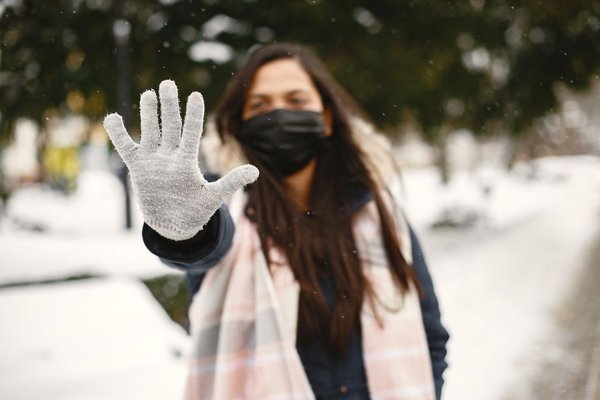
The best gloves for cold weather do two jobs at once: they protect your hands from wind, damp and low temperatures, but they also look intentional with the coat, boots and bag you already wear. The warmest glove on paper is not always the best everyday choice. A bulky ski glove can be excellent on a mountain yet awkward for commuting, driving or walking into the office.
For most people, the smartest buy is a glove matched to the conditions they actually face. Think about temperature, wind, moisture, time outdoors and how much finger movement you need. A polished leather pair may be perfect for a city commute, while an insulated softshell glove makes more sense for wet, active days.
Best Overall: Insulated Leather Gloves
For a combination of warmth and a dressed-up appearance, insulated leather gloves are hard to beat. Smooth leather keeps the silhouette neat, works naturally with wool coats and offers better wind resistance than many loose-knit styles. Look for a soft lining made from wool, fleece or light synthetic insulation rather than choosing leather alone.
Fit matters. A glove that is painfully tight can compress insulation and restrict movement, while an oversized pair looks clumsy and lets cold air circulate. Choose a close fit with enough room to flex your fingers. Black, dark brown, tan and deep burgundy are versatile choices for warm stylish gloves that do not look overly sporty.
Best for Everyday City Wear: Wool-Blend Gloves
Wool-blend gloves are a strong everyday option when the weather is cold but not severe. They feel softer and more relaxed than leather, pack easily into a pocket, and suit casual outfits well. Blends that combine wool with synthetic fibres can also improve durability and shape retention.
The trade-off is weather protection. Knitted gloves can become uncomfortable in strong wind or wet snow, so they are better for short walks, errands and milder winter days than long exposure. If your wardrobe leans toward oversized coats, scarves and knitwear, they often look more cohesive than technical outdoor gloves.
Best for Wet or Windy Days: Insulated Softshell Gloves
Softshell gloves sit neatly between fashion gloves and full winter-sport gear. Many use a wind-resistant outer fabric, a brushed or fleece interior and a grippy palm, giving useful protection without the oversized shape of a ski glove. They are especially practical for dog walking, school runs and exposed commutes.
Choose a streamlined pair in a single dark colour if appearance matters. Minimal logos, low-profile cuffs and matte fabrics make technical gloves easier to wear with everyday clothing. This category also offers plenty of touchscreen gloves fashion can accommodate without looking overly sporty.
Best for Phone Use: Touchscreen-Compatible Gloves
Touchscreen compatibility is useful, but it should not be the only reason to buy. Conductive material on the thumb and index finger needs to sit close enough to your fingertip to work accurately. If the glove is loose, typing and tapping can become frustrating.
For frequent phone use, a slim insulated glove usually performs better than a very thick one. Before removing the tags, try unlocking your phone, answering a call and typing a short message. If you have to pull the glove off to correct every tap, the touchscreen feature is not helping.
Best for Very Cold Conditions: Mittens or Hybrid Designs
When warmth becomes the priority, mittens generally have an advantage because your fingers share one insulated space instead of being separated. The downside is reduced dexterity. That makes mittens useful for long periods outside or winter events, but less convenient for driving, handling keys or using a phone.
A three-finger or “lobster” design offers a compromise by keeping some fingers together while leaving more control than a traditional mitten. For severe cold, protection comes first. Frostbite can affect fingers during extreme exposure, so numbness, persistent pain or exposed skin should never be treated as merely a fashion issue.
Best for Flexible Layering: Glove Liners
Thin merino or synthetic glove liners deserve a place in any practical winter gloves guide because they let you adjust warmth without buying an oversized glove for every situation. Wear them alone in cool weather or under a roomier insulated glove when temperatures drop.
This system is particularly useful for travel. A liner can handle the car or mild afternoon, while the outer glove comes out for colder evenings. Make sure the outer glove still fits comfortably over the liner; squeezing two layers into a tight shell can reduce comfort and dexterity.
How to Choose the Right Pair Without Sacrificing Style
- Match the glove to the activity: commuting and driving need more dexterity than standing outdoors for an hour.
- Prioritise wind and moisture protection: damp gloves and exposed seams can quickly undermine warmth.
- Check the cuff: a glove that meets your coat sleeve reduces gaps where cold air can enter.
- Keep the design simple: clean stitching, subtle hardware and neutral colours work with more outfits.
- Think beyond thickness: insulation, fit, wind resistance and moisture management all matter.
For a coordinated winter wardrobe, compare your choice with your winter coat style guide, best cold weather accessories and how to layer for winter so each piece works together.
FAQ
What type of gloves are warmest for cold weather?
For maximum warmth, well-insulated mittens usually outperform five-finger gloves because the fingers share heat. For everyday use, insulated leather or wind-resistant synthetic gloves can offer a better balance of warmth, dexterity and appearance.
Are leather gloves warm enough for winter?
They can be, provided they have a suitable lining and the weather is within their intended use. Unlined fashion leather is far less suitable for prolonged cold than leather backed by wool, fleece or synthetic insulation.
Do touchscreen gloves really work?
Good ones can work well for basic phone tasks, but fit matters. Conductive fingertips need close contact with your fingers, so overly loose gloves may feel inaccurate even when they are technically touchscreen compatible.
Should winter gloves fit tightly or loosely?
They should feel secure without squeezing. You need enough room to move your fingers and preserve the loft of the lining, but too much extra space reduces control and can make a sleek glove look bulky.
Choose for Your Actual Winter, Not the Label
The best gloves for cold weather are the pair you can wear comfortably for the conditions you actually face. Insulated leather is the strongest all-round choice for polished everyday dressing, wool blends work well for milder city days, streamlined softshell styles handle wind and activity, and mittens make sense when warmth clearly outranks dexterity.
Instead of chasing the thickest glove available, compare fit, insulation, weather resistance and how easily you can use your hands. That approach leads to a pair that feels genuinely warm, looks considered and earns a place in your winter wardrobe rather than staying forgotten in a drawer.