

A black-tie wedding invitation can create instant outfit anxiety. The details can still feel unclear: Do you need a tuxedo, and must a dress touch the floor? The good news is that black tie is not designed to make guests guess. It is a clear request for polished, evening-appropriate clothing that feels more elevated than ordinary formalwear.
Understanding how to dress for a black tie wedding starts with one principle: aim for elegance rather than novelty. Your outfit should look intentional, refined and suitable for the venue and time of day, while still allowing your personal style to show through.
What the black tie dress code actually means
Black tie traditionally refers to evening dress. For guests wearing menswear, that usually means a tuxedo or dinner suit with a formal shirt, bow tie and smart shoes. For guests wearing womenswear, it generally means a floor-length gown, a particularly elegant midi dress or a sophisticated formal jumpsuit.
The standard is more polished than cocktail attire but slightly less ceremonial than white tie. In practical terms, your clothing should use elevated fabrics, clean tailoring and formal accessories. Satin, velvet, silk, chiffon, crepe and high-quality suiting all work well. Casual cotton, everyday jersey, denim, trainers and office-style separates usually do not.
Black tie outfit ideas for guests wearing suits
Choose a tuxedo when possible
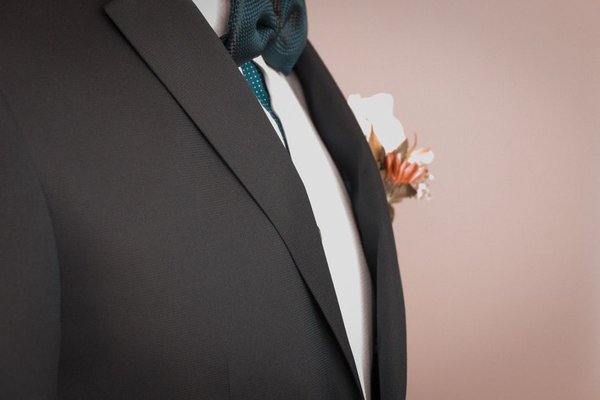
A classic black tuxedo is the safest and most traditional choice. Look for satin or grosgrain lapels, matching formal trousers and a crisp white dress shirt. A black bow tie completes the expected silhouette. Midnight blue is also an excellent option because it reads as deep, elegant and evening-appropriate under artificial light.
A standard dark business suit may be acceptable when the invitation says “black tie optional,” but it can look underdressed at a strictly black-tie event. When the wording simply says “black tie,” a dinner suit is the clearer choice.
Keep the details formal
Wear polished black Oxford shoes, patent leather shoes or sleek formal loafers. Socks should be dark and long enough that no bare leg shows when seated.
A necktie is not an equal substitute for a bow tie at a classic black-tie wedding. Likewise, novelty patterns, loud pocket squares and oversized accessories can pull the outfit towards partywear rather than formal wedding attire. Subtle cufflinks, a neat pocket square and a well-proportioned watch are enough.
What to wear if you prefer dresses or gowns
A floor-length gown is the easiest answer
A long evening dress remains the most reliable interpretation of the black tie dress code. It does not need to be covered in beading or dramatic embellishment. A simple column gown, wrap silhouette, softly draped dress or tailored A-line shape can look just as appropriate when the fabric and fit feel luxurious.
Deep jewel tones, navy, burgundy, forest green, chocolate, metallic shades and black are all strong choices. Softer colours can work too, particularly for spring or summer weddings, provided the overall look remains formal. Avoid white, ivory and very pale shades that could photograph like bridalwear unless the couple has specifically requested them.
Can you wear a midi dress?
Yes, but choose carefully. A refined midi dress can work when it has an evening feel, such as structured tailoring, rich fabric, elegant draping or sophisticated detailing. The hemline, neckline and accessories should create a complete formal look rather than resemble something worn to the office or a daytime lunch.
Very short dresses are usually less suitable because black tie calls for a more elevated level of coverage and occasion dressing. If you prefer not to wear a gown, a beautifully cut formal jumpsuit or a tuxedo-inspired suit can be an equally confident option.
How to choose accessories, shoes and outerwear
Accessories should support the outfit rather than compete with it. For gowns and dresses, consider a small clutch, refined jewellery and heels, dressy flats or elegant closed-toe shoes. Comfort matters because weddings involve standing, walking and dancing, so test your shoes before the event.
For colder weather, choose a tailored evening coat, velvet jacket, faux-fur wrap, pashmina or structured cape. An everyday puffer jacket may be practical for the journey, but it is worth arranging a coat-check option so it does not become part of your reception look.
Hair and grooming should feel deliberate. Smooth, neat hair, fresh makeup if worn, tidy nails and a well-groomed finish are enough to match the formality of the clothing.
Adapt your outfit to the venue and season
Black tie still leaves room for context. A ballroom wedding may suit velvet, satin, dramatic jewellery and classic tuxedo styling. A summer event at a country estate might call for lighter fabrics, softer colours and less heavy layering. For a destination wedding, breathable formal materials can make the dress code manageable without sacrificing polish.
Check the invitation, wedding website and venue before deciding. The couple may include useful guidance about outdoor ceremonies, cultural traditions, colour themes or footwear. Formal does not mean ignoring practical details such as grass, heat, rain or uneven ground.
Common black-tie mistakes to avoid
The most common mistake is treating black tie as ordinary “dressy” clothing. A work suit, casual maxi dress or club-style mini dress may look smart in another setting but still fall short here. Another mistake is becoming so focused on standing out that the outfit competes with the wedding party.
Avoid anything excessively revealing, visibly uncomfortable or difficult to manage throughout the event. The strongest black tie outfit ideas rely on fit, quality fabric and restraint.
Frequently asked questions
Do I have to wear black to a black-tie wedding?
No. “Black tie” describes the level of formality, not a required colour. Black is always appropriate, but navy, jewel tones, metallics and other sophisticated shades are equally suitable.
Can I wear a regular suit?
For a strict black-tie invitation, a tuxedo is preferred. A very dark, well-tailored suit may work for black tie optional, especially when styled with a white shirt, conservative tie and polished shoes.
Is a cocktail dress acceptable?
A highly formal midi cocktail dress can be appropriate, but a floor-length gown is the safer choice. Focus on elegant fabric, refined construction and accessories that clearly signal eveningwear.
Can I wear a jumpsuit or formal trouser suit?
Yes. A tailored jumpsuit or evening suit can meet the dress code when the cut, material and styling are suitably polished. Add formal shoes, a small evening bag and refined jewellery to complete the look.
Dress formally, then make it your own
Learning how to dress for a black tie wedding is less about following a rigid costume and more about respecting the occasion. Choose an outfit with evening-level formality, make sure it fits beautifully and keep the finishing details polished. Once those foundations are in place, colour, silhouette and accessories can reflect your personality. The result should feel elegant, comfortable and confident, not like you spent the entire evening wondering whether you got the dress code wrong.