

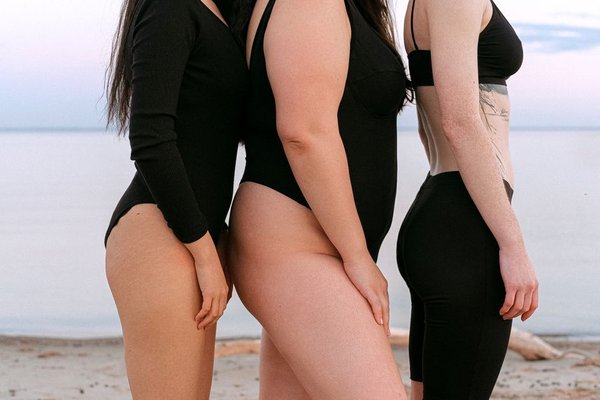
Standing in front of a mirror holding up three different swimsuits, trying to imagine how each one will actually look once you’re at the beach or the pool, is one of those small but oddly stressful rituals of summer. It’s not that you don’t know your body. It’s that swimwear sizing and styling can feel like a language nobody bothered to teach you. The good news is that finding a flattering swimsuit isn’t about hiding anything or squeezing into trends that were never designed with you in mind. It’s about understanding a few simple principles of fit, proportion, and support, then applying them to your own shape. Once you know what to look for, shopping for a swimsuit for body shape becomes a lot less guesswork and a lot more confidence.
Why “Body Type” Actually Matters When Choosing a Swimsuit
Swimsuits, more than almost any other garment, sit directly against the body with very little fabric to work with. There’s no blazer to structure your shoulders, no wide-leg trouser to balance your hips. That’s exactly why cut, neckline, and coverage matter so much here. The right swimsuit doesn’t change your body; it simply works with the lines you already have, drawing the eye where you want it and creating a sense of visual balance. Understanding how to choose a swimsuit starts with knowing your general shape, not your dress size, and building from there.
Finding Flattering Swimsuits for Every Body Shape
Most bodies fall loosely into a few recognizable categories. You may see a bit of yourself in more than one, and that’s completely normal. Use these as a starting point rather than a strict rulebook.
Pear Shape (Fuller Hips, Narrower Shoulders)
If your hips are noticeably wider than your shoulders and bust, the goal is to add visual width up top while keeping the bottom streamlined. Look for tops with bold prints, ruffle or halter necklines, and structured straps that widen the shoulder line. Pair these with simple, darker-toned bottoms, ideally with moderate coverage rather than high-cut sides, which can draw extra attention to the hip area. A classic bandeau or off-shoulder top with a solid bottom is a reliably flattering swimsuit combination for this shape.
Apple Shape (Fuller Midsection, Slimmer Legs)
For an apple shape, the priority is usually creating definition at the waist and drawing the eye vertically. Empire-waist one-pieces, ruching around the stomach, and V-neck styles all work beautifully here because they skim rather than cling. A tankini with a defined empire seam offers coverage without feeling restrictive, while surplice (wrap-style) tops naturally create a slimming diagonal line. Avoid anything with a tight horizontal band right at the belly, as it tends to emphasize rather than smooth.
Hourglass Shape (Balanced Shoulders and Hips, Defined Waist)
If your shoulders and hips are roughly proportional with a naturally narrower waist, your goal is simply to maintain and highlight that balance. High-waisted bikinis, belted one-pieces, and wrap styles all celebrate the waistline without adding unnecessary bulk elsewhere. Because this shape already has natural symmetry, most cuts work well; the key is choosing a swimsuit with enough structure to hold its shape rather than one so stretchy it loses definition throughout the day.
Athletic or Rectangle Shape (Straighter Silhouette, Less Waist Definition)
For a straighter silhouette, the aim is often to create the illusion of curves. Ruffles, asymmetrical cuts, cutout details at the waist, and mixed-print styles all add dimension. A bikini with a ring or cutout detail at the side can visually carve out a waistline that isn’t there naturally, while a one-piece with strategic paneling does the same job with more coverage. Avoid completely straight-cut, minimal-detail suits, as they can flatten the silhouette further rather than adding shape.
Fuller Bust
If support is your priority, underwire tops, wider straps, and halter necklines make a noticeable difference in both comfort and appearance. Look for adjustable straps and a band that sits snugly without digging in. Plunge necklines with underwire support can offer both coverage and a flattering neckline, while thin triangle tops often lack the structure needed for larger busts to feel secure.
Beyond Body Shape: Other Factors Worth Considering
Body shape is the foundation, but it isn’t the only thing that determines whether a swimsuit feels right. A few other factors are worth thinking through before you buy.
How You’ll Actually Use It
A swimsuit for lounging poolside has different demands than one for swimming laps or chasing kids through the waves. If you’ll be active, prioritize secure straps, moisture-wicking fabric, and a snug fit over trend-driven details that might shift or gap with movement.
Fabric and Fit Over Time
Cheaper swimwear fabric tends to lose elasticity after just a handful of wears, especially with sun and chlorine exposure. Look for a blend with a higher percentage of spandex or elastane, generally around 18 to 22 percent, for a suit that holds its shape season after season.
Confidence Is Part of the Fit
It’s worth saying plainly: the “best” swimsuit is ultimately the one that makes you feel like yourself. These guidelines are tools, not rules. Plenty of people break them entirely and look and feel fantastic doing it. Use this as a starting point for narrowing down options, not a checklist you have to satisfy perfectly.
Frequently Asked Questions
How do I know my swimsuit body type?
Stand in front of a mirror in fitted clothing and compare the width of your shoulders, waist, and hips. If your hips are widest, you likely lean pear-shaped. If your shoulders and hips are similar with a defined waist, that’s closer to hourglass. Fuller through the middle usually points to apple, and a straighter, less-defined waistline suggests an athletic or rectangle shape.
What swimsuit style is the most universally flattering?
A one-piece with a V-neckline and slight waist definition tends to work well across most body shapes because it creates vertical lines and a natural waistline without relying on a specific figure to look good.
Should I size up or down in swimwear?
When in doubt, size up rather than down. A slightly looser swimsuit can still look intentional and flattering, while one that’s too tight tends to dig in, ride up, and feel uncomfortable within the first hour of wear.
Do high-waisted bottoms work for every body type?
High-waisted bottoms are especially flattering for pear and apple shapes because they smooth the midsection and elongate the legs, but they also work well on hourglass and athletic shapes looking to emphasize the waist.
Final Thoughts
Choosing a swimsuit doesn’t need to be complicated once you understand the basic logic behind fit and proportion. Start with your general body shape, factor in how you plan to use the suit, and don’t underestimate the role fabric quality plays in how it looks after a few wears. Most importantly, treat these guidelines as a helpful starting point rather than a strict rulebook. The most flattering swimsuit is always the one you feel genuinely comfortable and confident in, whatever that happens to be.