

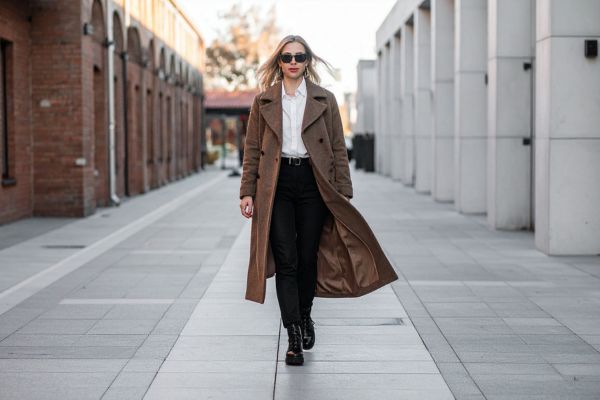
The 1990s had a fashion mood that was hard to pin down, which is exactly why it remains so fascinating. It was sleek and messy, glamorous and grungy, minimal and theatrical. One moment, the decade belonged to slip dresses and barely-there sandals. The next, it was all about baggy denim, plaid shirts, platform shoes, leather jackets, tiny sunglasses, and logo-heavy streetwear. The fashion icons of the 90s did not follow one single style rule. They created their own lanes, often by mixing attitude with clothes that felt personal rather than perfect.
What made the decade so memorable was the way style moved between music, film, television, runways, and real street culture. Supermodels became household names. Pop stars shaped teenage wardrobes. Actors influenced casual dressing without even trying. The result was a decade where fashion felt alive, a little unpredictable, and deeply connected to personality.
The Supermodel Era and Runway Glamour
No conversation about 90s style can begin without the supermodels. Cindy Crawford, Naomi Campbell, Linda Evangelista, Christy Turlington, Claudia Schiffer, and Kate Moss were not just models; they were cultural figures. Their faces were everywhere, but their influence went beyond magazine covers. They turned runway fashion into something the public followed with genuine interest.
Cindy Crawford brought all-American glamour with her polished hair, sharp tailoring, denim moments, and confident red-carpet style. Naomi Campbell carried drama and elegance with a kind of presence that made even simple clothes feel powerful. Linda Evangelista was the fashion chameleon, changing hair, mood, and persona with ease. Christy Turlington represented quiet sophistication, often looking timeless rather than trendy.
Then came Kate Moss, who shifted the mood completely. Her style was less glossy, more undone. Slip dresses, vintage coats, skinny straps, flat shoes, and smoky eyes became part of her signature look. She helped define a softer, cooler kind of fashion that did not look as if it had tried too hard. That effortless quality would become one of the decade’s most copied ideas.
Princess Diana and Modern Royal Style
Princess Diana’s fashion journey in the 1990s remains one of the most studied style transformations of the decade. Earlier in her public life, her clothing followed royal expectations more closely. By the 90s, her wardrobe became sharper, freer, and more self-assured.
Her tailored suits, elegant evening gowns, cycling shorts with oversized sweatshirts, sleek shift dresses, and famous off-the-shoulder looks showed a woman redefining her image in public. Diana understood clothing as communication. A structured blazer could suggest control. A simple black dress could feel bold. Casual sportswear could make her appear approachable and modern.
What made her one of the lasting fashion icons of the 90s was not only the beauty of the clothes, but the emotional story behind them. Her style felt connected to independence, vulnerability, and personal change. Even now, her 90s looks continue to influence street style, royal dressing, and minimalist fashion.
Jennifer Aniston and Everyday Cool
Jennifer Aniston’s role as Rachel Green on “Friends” helped shape one of the most accessible fashion moods of the decade. Rachel’s style was not intimidating. It was wearable, casual, and slightly polished in a way that felt perfect for everyday life. Little plaid skirts, fitted tees, slip dresses, denim overalls, turtlenecks, straight-leg jeans, and simple black dresses all became part of the 90s wardrobe imagination.
Of course, the haircut became its own phenomenon. “The Rachel” was copied everywhere, but her clothing mattered just as much. It captured a version of young urban style that felt easy to recreate. Her outfits looked like something you could actually wear to coffee, work, shopping, or dinner with friends.
That is why Jennifer Aniston’s influence lasted. She made 90s fashion feel friendly. Not every style icon needs to look untouchable. Sometimes the most powerful influence comes from making people think, “I could wear that tomorrow.”
Winona Ryder and Dark Romantic Minimalism
Winona Ryder had a different kind of 90s appeal. Her style mixed softness with edge, innocence with moodiness. She wore leather jackets, vintage dresses, dark lipstick, oversized blazers, simple black gowns, and cropped hair with a kind of quiet intensity. Nothing looked overworked. Her clothes often seemed chosen by instinct.
She became closely associated with the decade’s darker, more alternative side. While some stars leaned into high-glamour fashion, Winona’s style felt intimate and bookish, almost cinematic. A black dress on her did not just look elegant; it felt like a character. A leather jacket did not look like a trend; it felt lived in.
Her influence can still be seen in modern wardrobes built around vintage pieces, soft grunge, dark florals, and understated black basics. She proved that style does not always need volume. Sometimes it needs mood.
The Spice Girls and Pop Personality Dressing
The Spice Girls brought bright, loud, unapologetic personality to 90s fashion. Each member had a distinct visual identity, and that was the genius of it. Sporty, Baby, Scary, Ginger, and Posh gave fans different ways to imagine themselves. Their clothing was not subtle, but it was fun, memorable, and packed with attitude.
Platform sneakers, mini dresses, Union Jack prints, leopard patterns, tracksuits, tiny sunglasses, metallic fabrics, and body-conscious silhouettes all became part of their image. They made fashion feel playful and performative. Their looks were not about quiet elegance. They were about energy.
For many young people, the Spice Girls turned clothing into self-expression. You could dress sporty, sweet, bold, polished, or wild depending on your mood. That sense of fashion as identity play remains one of their strongest contributions to 90s style.
Tupac Shakur and Hip-Hop Style Influence
Tupac Shakur’s style helped define the power of hip-hop fashion in the 1990s. Bandanas, denim, leather vests, oversized shirts, gold jewelry, workwear, and sportswear became part of a look that was both personal and cultural. His clothing carried confidence, toughness, vulnerability, and street presence all at once.
Hip-hop style in the 90s was not simply a trend. It reflected community, music, status, resistance, and creativity. Oversized silhouettes, athletic brands, Timberland boots, bomber jackets, and statement accessories moved from neighborhoods and music videos into global fashion consciousness.
Tupac’s influence remains strong because his style felt authentic. He did not look styled into an image; he looked like he owned it. That difference matters. The best fashion icons of the 90s were not just wearing clothes. They were creating a visual identity people believed.
Gwen Stefani and Ska-Punk Experimentation
Gwen Stefani brought a fearless mix of ska, punk, streetwear, and pin-up influence into mainstream view. Her style in the 90s was playful but never soft in a predictable way. She wore crop tops, track pants, bindis, bold lipstick, tiny tanks, plaid, chains, and brightly colored hair with a sense of complete confidence.
What made Gwen stand out was her willingness to clash things. Feminine and tough. Sporty and theatrical. Vintage and modern. She did not seem interested in looking perfectly tasteful, which made her style more exciting. There was always something a little surprising about it.
Her 90s fashion legacy lives in the idea that personal style can be a collage. You can borrow from music scenes, cultures, eras, and moods, then turn it into something that feels unmistakably your own.
Carolyn Bessette-Kennedy and Quiet Luxury Before the Name
Carolyn Bessette-Kennedy represented the clean, minimal side of 90s fashion. Her wardrobe was built around simple shapes, neutral colors, crisp shirts, slip skirts, black coats, tailored trousers, and elegant dresses. She showed how powerful restraint could be.
Her style was not loud, but it was incredibly precise. A white shirt and black skirt looked fresh because the proportions were right. A plain coat looked luxurious because it fit beautifully. She made simplicity feel intentional, not lazy.
Long before “quiet luxury” became a popular phrase, Carolyn was showing how minimal dressing could carry confidence and mystery. Her influence remains especially strong among people who love timeless clothing over obvious trends.
Why 90s Fashion Icons Still Matter
The reason the fashion icons of the 90s continue to inspire modern style is that they represented different kinds of identity. There was no single ideal. You could be polished like Carolyn, rebellious like Gwen, relaxed like Kate, glamorous like Naomi, playful like the Spice Girls, or casual like Jennifer Aniston. The decade allowed contrast.
That variety feels refreshing even now. Modern fashion keeps returning to the 90s because the decade offered clothes with character. Slip dresses, straight-leg jeans, leather jackets, platforms, oversized shirts, minimal tailoring, and sporty pieces still work because they are flexible. They can be styled softly, sharply, or with a little chaos.
The 1990s also remind us that style becomes memorable when it feels connected to a person. Trends fade quickly when they are only trends. But when clothing reflects attitude, emotion, and a specific cultural moment, it lasts much longer.
A Decade of Style With Real Personality
The fashion icons of the 90s shaped more than wardrobes. They shaped the way people thought about image, individuality, and influence. Some brought glamour, some brought rebellion, some brought simplicity, and others made everyday outfits feel worth copying.
What ties them together is confidence. Not one kind of confidence, but many. The confidence to look polished. The confidence to look undone. The confidence to be loud, minimal, romantic, sporty, glamorous, or strange. That is why 90s style still feels alive today.
In the end, the decade’s greatest fashion lesson is simple: clothes become iconic when they carry personality. The 1990s gave us plenty of trends, but its real legacy is the people who wore them in a way we still remember.