

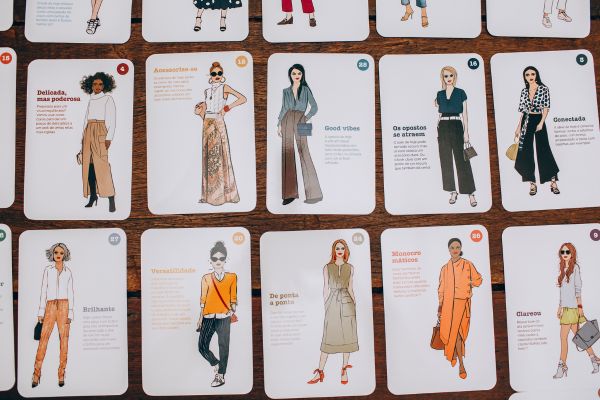
Fashion has always been shaped by imagination, instinct, culture, and timing. A designer may begin with a color remembered from childhood, the movement of fabric on a city street, or a mood that is hard to explain but easy to feel. For years, this creative process has seemed deeply human, almost untouchable by machines. Yet AI fashion design is now becoming part of that same process, not as a replacement for creativity, but as a new kind of tool sitting beside the sketchbook, fabric swatch, and sewing machine.
The idea of artificial intelligence in fashion can sound cold at first. Fashion is emotional. It is personal. It carries memory, identity, and desire. But when used carefully, AI can help designers explore ideas faster, understand changing tastes, reduce waste, and bring more experimental concepts to life. The real story is not about machines taking over the runway. It is about how technology is quietly changing the journey from first idea to finished garment.
The New Starting Point for Fashion Ideas
Every fashion collection begins somewhere. Sometimes it starts with a theme, a season, a place, or a feeling. Traditionally, designers have built mood boards from photographs, fabrics, colors, artwork, architecture, and street style. AI has added a new layer to that early stage.
With AI tools, designers can type a simple concept and generate visual directions within seconds. A phrase like “soft futuristic tailoring inspired by desert sunsets” can become a range of images, textures, silhouettes, and color combinations. Not every result is useful, and many are strange or imperfect, but that is part of the value. The unexpected output can push a designer into a direction they may not have considered.
This does not remove the need for taste. In fact, it makes taste even more important. AI can produce hundreds of ideas, but it cannot truly know which one feels fresh, wearable, elegant, rebellious, or emotionally right for a brand. The designer still chooses. The human eye still edits. The creative voice still matters.
How AI Helps Shape Silhouettes and Details
Fashion design is not only about beautiful inspiration. It also involves structure, proportion, fabric behavior, and detail. A sleeve may look dramatic in a sketch but feel awkward on the body. A dress may appear balanced in an image but fail when translated into real fabric. This is where AI fashion design becomes especially interesting.
AI can help designers test different shapes before a physical sample is made. It can suggest variations in collars, hemlines, cuts, pleats, prints, and garment proportions. Some systems can analyze past collections, customer preferences, or runway trends to identify which details are gaining attention. This gives designers a broader view of what is happening across the fashion world.
Still, fashion is not only data. A piece can be “wrong” according to trends and still become iconic because it captures a mood before people even know they want it. AI may help refine a silhouette, but the risk-taking often comes from the designer. The tension between prediction and instinct is where some of the most interesting work happens.
From Digital Sketches to Virtual Samples
One of the most practical uses of AI in fashion is the development of digital samples. In the past, brands often created multiple physical prototypes before finalizing a design. This process could be slow, expensive, and wasteful. Fabrics were cut, samples were shipped, changes were made, and sometimes entire pieces were discarded.
AI-supported design software can now help create more accurate digital versions of garments. Designers can see how certain shapes might look on different body types or how a pattern could appear across various cuts. Combined with 3D fashion tools, AI makes it possible to experiment with designs in a more flexible way before producing the first physical sample.
This shift matters because fashion has long struggled with waste. While digital sampling will not solve the industry’s environmental problems on its own, it can reduce unnecessary production during the design stage. It also gives smaller designers more room to experiment without spending heavily on repeated samples.
Trend Forecasting With a Sharper Lens
Trend forecasting has always been part research, part intuition. Editors, buyers, designers, and forecasters study culture, street style, social media, music, art, and consumer behavior to sense what may come next. AI can process huge amounts of visual and textual information far faster than any person or team.
It can identify rising colors, patterns, materials, and garment categories across online platforms. It can notice when a certain style begins appearing more often in different cities or communities. This can be useful for brands trying to understand the pace of change.
But there is a danger here too. If everyone uses the same trend data, fashion may become more predictable. Collections may start to look similar because they are all responding to the same signals. The best designers will likely use AI forecasting as background noise, not as a rulebook. They may listen to the data, then deliberately move against it.
Personalization and the Changing Customer Experience
AI is also changing how people interact with fashion after the design stage. Online shopping has made clothing more accessible, but it has also created frustration. Sizes vary, product images can be misleading, and customers often struggle to imagine how something will look on them.
AI tools can help recommend better sizes, suggest styles based on personal preferences, and create virtual try-on experiences. In the future, AI fashion design may become more closely linked with individual taste. Instead of designing only for a broad market, brands may create pieces that can be adjusted in color, fit, print, or styling based on personal input.
This could make fashion feel more personal again, especially in a world of mass production. But it also raises questions. If every choice is shaped by algorithms, do people discover new styles less often? Does personal taste become narrower? Fashion has always been partly about surprise, and good style often comes from trying something unexpected.
The Human Craft Behind the Technology
It is easy to focus on software and forget the hands that still bring clothing to life. A digital design may look impressive, but real garments depend on fabric, stitching, pattern cutting, finishing, and fit. Tailors, pattern makers, textile specialists, and garment workers remain central to the process.
AI can suggest a design, but it does not understand the quiet resistance of thick wool under a needle or the way silk shifts when cut on the bias. It does not feel the weight of a coat on the shoulders or notice how a seam changes the confidence of the person wearing it. These physical details are not small things. They are fashion.
The strongest future for AI in fashion will likely come from collaboration between technology and craft. When designers, technicians, and artisans use AI as a support rather than a shortcut, it can open new creative space while keeping the soul of the work intact.
Ethical Questions Fashion Cannot Ignore
The rise of AI fashion design also brings serious questions. Where does AI get its visual references? Has it learned from the work of designers, artists, and photographers without permission? When an AI-generated design resembles an existing designer’s style, who owns the idea?
These questions are not simple. Fashion has always borrowed, referenced, revived, and reinterpreted. But AI can absorb and remix visual culture at a scale that feels different from human inspiration. The industry will need clearer standards around authorship, credit, and fair use.
There is also the issue of labor. If brands use AI to speed up design and reduce costs, what happens to junior designers, illustrators, and creative assistants who once learned through those early tasks? The technology may create new roles, but it may also remove some traditional entry points. A healthier future will require training, transparency, and respect for human creative development.
A More Experimental Catwalk
On the runway, AI has the potential to make fashion more experimental. Designers can explore unusual prints, surreal shapes, hybrid materials, and digital-first concepts. Some garments may begin as AI-generated fantasies and then be translated into wearable forms. Others may exist only in digital fashion spaces, worn by avatars or used in virtual environments.
This does not mean physical fashion will disappear. People still want the feeling of fabric, the ritual of getting dressed, and the identity that comes from real clothing. But the catwalk may become a place where digital imagination and physical craftsmanship meet more often.
The most compelling AI-influenced fashion will not be the work that simply looks futuristic. It will be the work that feels meaningful. Technology alone does not create emotion. A dress becomes memorable because of how it moves, what it suggests, and how it connects to the moment.
Conclusion
AI fashion design is changing the way ideas are explored, tested, refined, and presented. It can speed up research, reduce unnecessary sampling, support personalization, and open doors to visual experimentation. But fashion is not just a problem to solve or a pattern to predict. It is a cultural language, full of emotion, contradiction, and human touch.
The future of AI in fashion will depend on how thoughtfully it is used. In the hands of designers with strong vision, it can become a powerful creative companion. Without human judgment, it risks becoming repetitive, shallow, or disconnected from real life. From concept to catwalk, the most exciting work will still need curiosity, craft, and feeling. AI may help shape the next chapter of fashion, but the heartbeat of design remains human.