

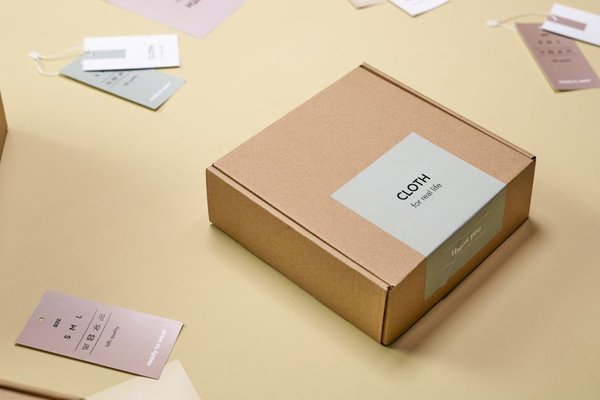
Scroll through any “sustainable fashion” search these days and you’ll find hundreds of brands claiming to be eco-conscious. The trouble is, not all of them can back that up. Genuine sustainability requires real transparency — verifiable certifications, honest material sourcing, and fair labor practices, not just green packaging and buzzwords. To make shopping easier, we’ve pulled together 15 sustainable fashion brands that are actually doing the work in 2026, spanning everyday basics, denim, footwear, and elevated pieces worth investing in.
What Makes a Fashion Brand Truly Sustainable in 2026
Before diving into the list, it helps to know what to look for. The most credible eco friendly fashion brands typically hold third-party certifications like GOTS (Global Organic Textile Standard), Fair Trade Certified, B Corp, Bluesign, or Climate Neutral status. These aren’t marketing terms — they’re independently verified standards covering everything from water usage to factory wages. As you build your own approach to sustainable style 2026, treating certifications as a checklist rather than taking brand claims at face value will serve you well.
Sustainable Basics and Everyday Wear
1. Pact
Pact has built its reputation around GOTS-certified organic cotton essentials — think tees, underwear, and loungewear — manufactured in Fair Trade Certified factories. It’s one of the more affordable entry points into ethical clothing brands without sacrificing certification standards.
2. Everlane
Everlane made “radical transparency” its whole brand identity, publishing factory information and cost breakdowns for its products. It’s a solid choice for anyone wanting straightforward, long-lasting basics without guesswork about where they came from.
3. MATE the Label
This LA-based label uses GOTS-certified organic cotton and non-toxic dyes, and it holds both B Corp and Climate Neutral certification. Its minimalist, easy-to-wear pieces make it a favorite for anyone easing into more conscious basics.
4. Girlfriend Collective
Known primarily for activewear made from recycled materials like post-consumer plastic bottles and fishing nets, Girlfriend Collective has become a go-to for size-inclusive, sustainably produced leggings and sports bras.
Denim and Casualwear
5. Reformation
Reformation built its name on trendy, occasion-ready pieces made from deadstock and sustainable fabrics, all produced in fair-wage facilities. Every product page includes a breakdown of its environmental footprint, which makes it easy to shop with intention.
6. Levi’s (WellThread Collection)
Levi’s has invested heavily in water-saving denim finishing techniques and organic cotton sourcing through its WellThread line, alongside broader company-wide emissions reduction commitments — proof that even legacy brands can meaningfully shift toward the sustainable fashion trend.
7. E.L.V Denim
This London-based label transforms discarded and offcut denim into tailored, made-to-order pieces. Every item is crafted from upcycled materials, offering a genuinely circular approach to denim.
Elevated and Occasion Wear
8. Stella McCartney
A pioneer among sustainable luxury brands, Stella McCartney has never used leather or fur and has consistently invested in regenerative and innovative materials, proving high fashion and sustainability aren’t mutually exclusive.
9. Eileen Fisher
Eileen Fisher leads in circular fashion through its take-back and resale programs, alongside a strong focus on organic and recycled fibers. It’s an excellent choice for timeless, investment-worthy pieces.
10. Gabriela Hearst
Known for quiet luxury with a conscience, Gabriela Hearst incorporates deadstock fabrics and regenerative materials into refined, tailored collections aimed at longevity over trend cycles.
Footwear
11. Allbirds
Allbirds popularized sustainable footwear made from materials like merino wool and eucalyptus fiber. The brand has gone through recent ownership changes, so it’s worth checking current sourcing and certification details before purchasing, but its foundational sustainable design approach remains influential in the space.
Innovative Materials
12. Pangaia
Pangaia experiments with next-generation materials, from plant-based dyes to fibers derived from eucalyptus pulp and other natural sources, positioning itself at the innovation edge of eco friendly fashion brands.
13. People Tree
A pioneer in Fair Trade fashion, People Tree works with artisan groups and small-scale farmers to produce organic, handcrafted clothing, making it one of the longest-standing names in ethical clothing brands.
Purpose-Driven Brands
14. Ninety Percent
True to its name, Ninety Percent donates 90% of its profits directly to garment workers and related charitable causes, flipping the traditional fashion profit model on its head.
15. Patagonia
No sustainable fashion list is complete without Patagonia. Between its extensive use of recycled materials, repair programs, and long-standing environmental activism, it remains the benchmark against which many other brands are measured.
How to Shop These Brands Wisely
Rather than overhauling your wardrobe overnight, focus on buying fewer, better pieces from brands whose values align with yours. Check for certifications directly on product pages, look for repair or resale programs, and remember that sustainable style 2026 is as much about how long you keep a garment as which brand made it.
Frequently Asked Questions
What certifications should I look for in sustainable fashion brands?
Look for GOTS, Fair Trade Certified, B Corp, Bluesign, and Climate Neutral certifications. These are independently verified, unlike vague marketing terms such as “eco-friendly” or “conscious.”
Are sustainable fashion brands more expensive?
Not always. Brands like Pact and MATE the Label offer certified organic basics at accessible price points, while luxury names like Stella McCartney and Gabriela Hearst sit at a higher tier. Sustainability spans every budget level.
How can I tell if a brand is greenwashing?
Be skeptical of brands using terms like “eco-friendly” without backing them up with third-party certifications or published impact data. Genuine ethical clothing brands are transparent about factories, materials, and labor practices.
What’s the easiest way to start shopping more sustainably?
Start with one category, like basics or denim, and choose a certified brand for that specific need. Gradually replacing wardrobe staples is more sustainable — and more realistic — than an overnight closet overhaul.
Building a more responsible wardrobe doesn’t happen overnight, and it doesn’t require perfection either. Whether you start with a pair of Pact underwear or invest in a Stella McCartney piece you’ll wear for years, every purchase from a genuinely accountable brand is a step in the right direction. Keep certifications on your radar, stay curious about where your clothes come from, and let your wardrobe grow more intentional, one piece at a time.