

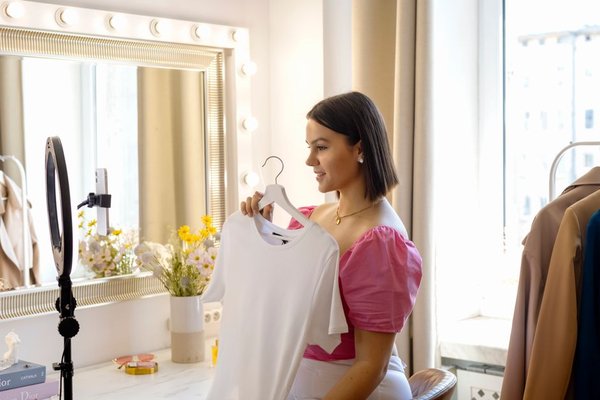
When nothing in your wardrobe feels quite right, the problem is not always that you need more clothes. Often, you have collected pieces for different versions of yourself: the person you thought you should be, the person you dressed like for work, and the person influenced by trends. Learning how to find your personal style starts with separating those outside influences from what genuinely feels natural to you.
Personal style is not a fixed uniform or a perfect aesthetic label. It is a practical way of choosing clothes that reflect your taste, suit your life, and make getting dressed easier. You do not need to become more fashionable; you need to notice what you already enjoy wearing and why.
Start With the Clothes You Actually Wear
Your current wardrobe contains more useful information than a trend report. Identify the pieces you reach for repeatedly: your favourite jeans, the jacket that always feels right, the shoes you choose when you need confidence, and the outfits you wear when no one else is influencing you.
For each favourite item, ask what makes it work. Is it the clean shape, soft fabric, relaxed fit, colour, or versatility? Patterns will appear quickly. You may discover that you prefer structure around the shoulders, muted colours with one striking accessory, or simple outfits with interesting texture.
Do the same with clothes you avoid. A beautiful item that stays unworn is useful evidence. Perhaps it feels too formal, requires uncomfortable styling, or represents an image that does not feel like you. Defining what you dislike is part of learning to define your style.
Create a Real-Life Style Record
Document your outfits for two weeks. Take a quick mirror photo each day and add one sentence about how you felt. Note whether the outfit was comfortable, practical, flattering, expressive, or frustrating.
Imagine someone who saves polished minimalist outfits online but repeatedly feels happiest in loose trousers, colourful knitwear, trainers, and handmade jewellery. The photographs reveal a warmer, more playful style than the inspiration board suggests. That gap between admired style and lived style is common. Your personal style guide should be based on the clothes you enjoy inhabiting, not only the images you enjoy viewing.
Use Inspiration Without Copying a Persona
Save outfits from films, street style, shop windows, or social media, but avoid collecting hundreds of unrelated images. Choose around 20 that create an immediate response, then look for repeated details such as cropped jackets, oversized shirts, tonal dressing, vintage accessories, or natural fabrics.
Write down five recurring elements and describe them in your own words. A phrase like “relaxed tailoring with artistic details” is more useful than forcing yourself into one category such as classic, bohemian, edgy, or romantic. Real personal style often combines contrasts.
Choose Three Style Words
Three style words can turn vague preferences into practical decisions. Choose words that describe how you want your clothes to look and feel, such as polished, relaxed, expressive, understated, soft, structured, modern, practical, or playful.
Make them specific enough to guide you. “Nice” is too broad, while “clean, comfortable, and creative” can help you evaluate an outfit. Before buying or keeping something, ask whether it supports at least two of your three words. This simple test prevents you from building a wardrobe full of attractive but disconnected pieces.
Dress for Your Actual Routine
A personal style that ignores your schedule will remain theoretical. List the situations that make up most of your month, such as work, commuting, meetings, social events, exercise, and relaxed weekends. Estimate how much of your wardrobe each area deserves.
If most days are casual, a wardrobe dominated by occasion wear will create the feeling that you have plenty of clothes but nothing to wear. Learning how to dress for yourself means respecting your real needs rather than shopping for an imagined lifestyle.
This does not mean giving up creativity. Someone who loves dramatic fashion but works in a practical environment might use bold earrings, strong colour combinations, interesting shoes, or an unusual jacket instead of relying on difficult statement pieces.
Build Outfit Formulas
Outfit formulas reduce decision fatigue without making your appearance repetitive. A formula is a dependable combination, such as straight-leg trousers, a fitted knit, and a relaxed blazer, or a midi skirt, simple top, short jacket, and flat shoes.
Create three to five formulas from outfits that already work, then vary colour, texture, and accessories. This gives your wardrobe consistency while leaving room for mood and season. It also makes shopping more focused because you can see whether a new piece fits an existing formula.
Experiment Before Replacing Everything
A style reset does not require a complete wardrobe clear-out. Use a temporary “not sure” box for pieces that feel disconnected and store them for a month. You may discover a new way to style one, while the items you never miss become easier to release.
Try small experiments: style a formal item casually, repeat a favourite outfit with different accessories, or borrow a new silhouette before buying it. Photograph the result and record what worked. Personal style develops through evidence, not pressure.
When you shop, ask whether the item suits your three words, routine, outfit formulas, and existing wardrobe. A good purchase should create several outfits, not one impressive changing-room moment.
Allow Your Style to Change
Your style can shift with age, work, climate, body changes, confidence, and priorities. That does not mean you failed to find it. A useful style identity can evolve while keeping a recognisable thread.
Review your wardrobe every few months. Keep what still feels true and update the rest gradually. The goal is not to finish your style forever, but to align your wardrobe with who you are now.
Frequently Asked Questions
How long does it take to find your personal style?
You can identify useful patterns within a few weeks, especially if you photograph outfits and track what you wear. Confidence develops gradually through repetition, experimentation, and thoughtful shopping.
Do I need to choose one fashion aesthetic?
No. Most people combine several influences. A clear set of style words, preferred shapes, colours, and outfit formulas is often more practical than committing to one label.
What if I like many different styles?
Look for the common qualities beneath them. Different outfits may share the same colour palette, comfort level, silhouette, or mood. Use those shared elements as the foundation and let accessories express variety.
Can I find my personal style on a limited budget?
Yes. Start by restyling what you own, altering pieces that almost work, swapping clothes, and buying second-hand. Clarity often saves money because you stop purchasing items that do not fit your real preferences.
Make Style a Practice, Not a Performance
The most reliable way to find your personal style is to pay attention to your own responses. Notice what you repeat, what makes you stand taller, what supports your routine, and what feels effortless rather than performative. Use inspiration as evidence, not instruction. With clear style words, dependable outfit formulas, and permission to experiment slowly, your wardrobe can begin to feel like a reflection of you rather than a collection of expectations.