

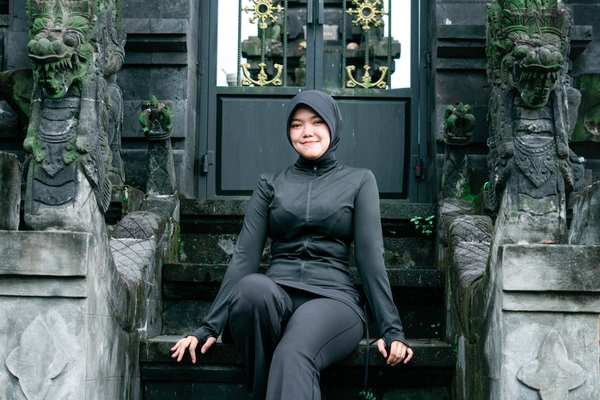
Modest swimwear is no longer a choice between feeling covered and feeling comfortable in the water. The best designs borrow from activewear, surf clothing and modest fashion, giving swimmers more control over sleeve length, leg coverage, neckline, fit and head coverage. A swim dress, tunic-and-legging set, long-sleeve one-piece and full-coverage burkini can all look modest online while behaving very differently once wet.
This modest swimwear guide compares the main options by coverage, movement, fabric and real-world use, so you can choose a suit for the way you actually spend a beach or pool day.
Start With the Coverage You Actually Want
“Modest” is personal. For one swimmer it may mean a higher neckline and fuller seat coverage; for another it means covered arms, legs and hair. Before comparing modest swimsuits, decide which areas you want covered both while standing and while moving. A suit that looks secure in a product photo can ride up when swimming, stretching or climbing out of a pool.
Modest one-piece swimsuits
A modest one-piece is closest to conventional swimwear. Look for higher necklines, wider shoulder coverage, lower-cut leg openings, built-in shorts or skirted panels. It works well if you want a familiar feel with more coverage, and it usually creates less drag than layered designs.
Swim dresses and skirted styles
Swim dresses add coverage around the hips and upper thighs and can feel more like everyday clothing on a resort or family beach. The trade-off is movement: a loose skirt may float upward unless the design includes attached shorts or leggings. For active swimming, choose a streamlined skirt attached securely to the base layer.
Tunics with leggings
Tunic-and-legging sets are among the most versatile forms of full coverage swimwear. They can cover the arms, hips and legs while letting you mix sizes if your top and bottom proportions differ. A shorter fitted tunic is generally easier for active swimming, while a longer, looser tunic suits gentler beach days.
Full-body and burkini-style sets
For maximum coverage, full-body or burkini-style swimwear can cover the arms, legs, torso and often the hair. Look for lightweight stretch fabric and secure cuffs so the material stays controlled in the water. If a swim hijab is included, check whether it is attached or separate; separate pieces are often easier to adjust.
Compare Fabric, Fit and Sun Protection
Coverage works best when the fabric is designed for swimming. Polyester, nylon and elastane blends are common because they stretch and dry relatively quickly. Regular cotton leggings or tops are a poor substitute for proper modest beachwear because cotton absorbs water, becomes heavy and can cling.
If sun protection matters, look for a stated UPF rating. A UPF 50 fabric is designed to block about 98% of ultraviolet radiation under tested conditions. Protection can be reduced when fabric is overstretched, wet, worn or affected by repeated exposure to pool chemicals, so avoid sizing down simply for a tighter silhouette.
UPF only protects the skin covered by the garment, so exposed areas may still need sun protection. A natural next read for this topic would be modest fashion essentials, especially for readers building a practical warm-weather wardrobe.
Choose for Your Activity, Not Just Your Mirror
A suit can fit beautifully in a changing room and still be wrong for the way you swim. For lap swimming, aqua exercise or surfing, prioritise close-fitting sleeves, flat seams and secure waistbands. For a relaxed beach holiday, a looser tunic or swim dress may be more comfortable when moving between the water, café and promenade.
Try this before removing the tags: raise both arms, squat, sit, twist at the waist and mimic a swimming stroke. If the neckline gaps, the tunic climbs dramatically, the leggings slide or the skirt bunches, the problem will usually become more noticeable when the fabric is wet.
For fuller busts or curvier proportions
Look for supportive inner construction rather than relying on compression alone. Built-in cups, shelf support, wider straps or an internal bra layer can improve comfort. If your top and bottom sizes differ, separates are often easier to fit than a single full-body size. A tunic that skims the hips with secure swim leggings can give coverage without excess bulk.
For petite or tall frames
Torso length matters. A one-piece that is too short can pull at the shoulders, while a full-body suit that is too long may wrinkle behind the knees or at the waist. Brands offering tall, petite or mix-and-match sizing can be more useful than choosing purely by appearance.
Look Closely at the Small Details
Some of the best features are easy to miss in product listings. Adjustable ties can stop a tunic floating upward. Snug ankle cuffs can keep leggings in place. Two-way zips can make long-sleeve suits easier to enter. Pockets are convenient on land but may balloon in water, so flatter internal pockets are usually better for active swimming.
Colour and print also change how a suit feels visually. Dark solids create a streamlined look, while coordinated panels or prints can make separates feel more polished. Two useful internal-link topics here are modest summer outfits and choosing flattering colours for your wardrobe.
Which Type of Modest Swimwear Is Best?
If you want the least bulk, start with a higher-coverage one-piece. If thigh coverage matters most, compare swim dresses with attached shorts. If you need flexibility across different body proportions, tunic-and-legging separates are usually easiest to customise. If you want arms, legs and hair covered, a burkini-style set provides the most complete solution.
The deciding factor should be how the suit behaves in motion. The best option stays secure, feels light when wet and gives you the coverage you want without constant adjusting.
Frequently Asked Questions
What is considered modest swimwear?
Modest swimwear generally provides more coverage than standard bikinis or low-cut one-pieces. It can include high-neck swimsuits, skirted suits, swim dresses, tunics with leggings, rash-guard sets and full-body styles. The right level of coverage depends on personal, cultural or religious preference.
Can you swim properly in full coverage swimwear?
Yes, provided it is made from swim-specific stretch fabric and fits securely. For stronger swimming, choose streamlined pieces with close cuffs and avoid excessively loose fabric that creates drag.
Is UPF 50 worth looking for?
It can be useful for long periods outdoors. UPF 50 fabric blocks about 98% of UV radiation under tested conditions, but the protection applies only to covered areas and can be affected by stretch, moisture and wear.
Should modest swimsuits fit tight or loose?
They should feel secure rather than restrictive. Fitted base layers and leggings usually perform better in water, while an outer tunic can be slightly looser. Extreme tightness can reduce comfort and overstretch the fabric.
Find the Balance You Will Actually Wear
The strongest modest swimwear choice is not automatically the longest or loosest garment. It is the design that gives you dependable coverage while letting you swim, walk, play and relax without thinking about your clothes every few minutes. Secure layers, swim-ready fabric, sensible sizing and thoughtful details matter more than a trend-driven shape. When those elements come together, modest beachwear feels less like a compromise and more like swimwear designed around the day you want to have.