

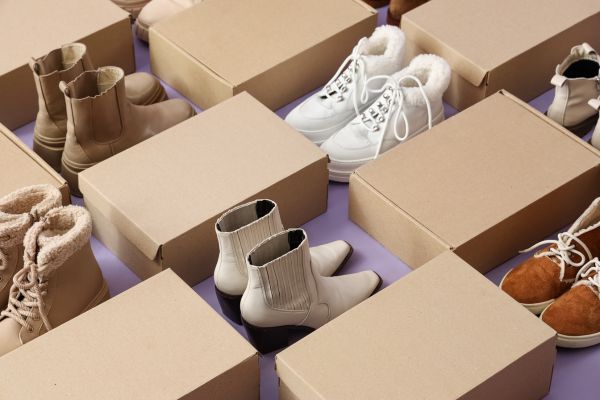
Footwear has a quiet way of shaping our daily lives. It carries us through long workdays, spontaneous walks, and moments we barely notice until we pause and look down at the wear on our shoes. Whether it’s a sturdy pair of boots or lightweight sneakers, every shoe tells a story. The difference between a short-lived pair and one that ages gracefully often comes down to how it’s cared for.
These footwear care tips aren’t about perfection or rigid routines. They’re about small, consistent habits that preserve comfort, extend lifespan, and keep your shoes looking like they belong to you—not the pavement.
Understanding Your Footwear Materials
Before diving into cleaning or storage, it helps to understand what your shoes are made of. Leather, suede, canvas, and synthetic materials all respond differently to moisture, heat, and cleaning methods. Treating them the same way is where many mistakes begin.
Leather, for example, thrives with occasional conditioning but can crack if neglected. Suede is delicate and dislikes water, while canvas is forgiving but prone to staining. Synthetic materials often resist water better but may degrade under extreme heat. Recognizing these differences is the foundation of effective footwear care tips.
Once you begin to notice how each material behaves, caring for your shoes becomes less about memorizing rules and more about instinct.
Keeping Dirt from Becoming Damage
It’s easy to ignore a little dust or mud, especially after a long day. But dirt, when left sitting, can slowly wear down fibers and finishes. What starts as a harmless layer can eventually lead to discoloration or even structural damage.
A simple habit of wiping shoes after use can make a surprising difference. You don’t need a full cleaning routine every time—just a quick brush or a soft cloth to remove surface debris. This small act prevents buildup and reduces the need for deeper, more aggressive cleaning later.
There’s something satisfying about this ritual too. It turns footwear care into a moment of pause, almost like resetting the day.
Cleaning Without Overdoing It
Deep cleaning has its place, but over-cleaning can be just as harmful as neglect. Water, soap, and friction all affect materials differently, and too much of any can weaken the shoe.
When cleaning is necessary, gentleness matters. A damp cloth, mild soap, and patience often do more than harsh scrubbing. For delicate materials like suede, specialized brushes or dry-cleaning methods are safer than introducing moisture.
It’s also worth letting shoes dry naturally. Heat sources like radiators or direct sunlight may seem convenient, but they can warp shapes and cause cracking. Air drying, though slower, preserves the integrity of the shoe.
The Quiet Importance of Proper Storage
Where you keep your shoes matters more than it seems. Shoes left in cramped, humid, or poorly ventilated spaces tend to lose their shape and develop odors.
Allowing shoes to breathe between uses is one of the simplest footwear care tips you can follow. Rotating between pairs gives each one time to air out, reducing moisture buildup. If you’ve ever noticed how a frequently worn pair feels different after a break, that’s not your imagination—it’s recovery.
Storing shoes in a cool, dry place helps maintain both structure and material quality. For certain types, using shoe trees can help preserve shape, especially in leather footwear that tends to crease over time.
Protecting Shoes from the Elements
Weather is one of the biggest challenges for footwear. Rain, heat, and dust all leave their mark, often in ways that aren’t immediately visible.
Applying a protective layer—whether it’s a water-resistant spray for suede or a conditioner for leather—creates a barrier against these elements. It’s not about making shoes invincible, but about giving them a better chance to withstand daily exposure.
Even something as simple as choosing the right shoes for the day’s conditions can extend their life. Wearing delicate materials in harsh weather often leads to avoidable damage. Sometimes, the best care tip is simply making a thoughtful choice before stepping out.
Paying Attention to Soles and Structure
While the upper part of a shoe gets most of the attention, the sole quietly bears the brunt of every step. Over time, it wears down, affecting comfort and even posture.
Checking the soles regularly helps catch early signs of wear. Uneven patterns or thinning areas can indicate it’s time for repair rather than replacement. Many shoes, especially well-made ones, can be resoled or reinforced, giving them a second life.
There’s a certain appreciation that comes with repairing rather than replacing. It turns footwear into something lasting rather than disposable.
Managing Odor and Freshness Naturally
Shoes inevitably absorb moisture and odor, especially with regular use. Ignoring this can lead to discomfort and a shorter lifespan.
Letting shoes dry out completely after wearing them is a good starting point. Natural airflow does more than any quick fix. For added freshness, simple solutions like inserting breathable materials or keeping shoes in ventilated spaces can help.
It’s not about masking odors but addressing their cause. When shoes stay dry and clean, they naturally maintain a more pleasant state.
Knowing When to Step Back
Not every issue needs immediate intervention. Sometimes, less is more. Over-conditioning leather, over-washing fabric, or overusing protective products can lead to unintended consequences.
Part of effective footwear care tips is knowing when to pause. If shoes are holding up well, a lighter touch may be all they need. Observing rather than constantly acting can prevent unnecessary wear.
There’s a balance between care and interference, and finding that balance often comes with experience.
Developing a Personal Care Routine
Footwear care doesn’t have to follow a strict schedule. It can evolve into a routine that fits naturally into your life. Maybe it’s a quick wipe in the evening, a deeper clean on weekends, or simply rotating pairs throughout the week.
The key is consistency rather than intensity. Small, regular actions tend to be more effective than occasional, heavy efforts. Over time, these habits become second nature, and your shoes reflect that attention.
Interestingly, caring for footwear often leads to a greater appreciation of it. You start noticing textures, shapes, and how different pairs respond to wear. It’s a subtle shift, but it makes the process feel less like maintenance and more like connection.
The Relationship Between Care and Longevity
There’s no single secret to making shoes last longer. It’s a combination of awareness, gentle handling, and a bit of patience. Footwear that’s cared for tends to age in a way that feels intentional rather than accidental.
Scuffs become part of the story rather than signs of neglect. Creases reflect movement rather than damage. Even older shoes can carry a sense of character when they’ve been maintained thoughtfully.
These footwear care tips aren’t about preserving shoes in a pristine state forever. They’re about allowing them to age well, to remain comfortable and reliable while still looking like they belong to your life.
Conclusion: A Subtle Practice with Lasting Impact
Taking care of your shoes might seem like a small detail, but it quietly shapes how long they stay with you and how they feel along the way. The effort doesn’t have to be complicated or time-consuming. It’s found in simple habits—wiping away dirt, letting shoes breathe, choosing the right pair for the day.
Over time, these small actions add up. Shoes last longer, feel better, and carry a sense of continuity that’s easy to overlook until it’s gone. In a way, footwear care becomes less about the shoes themselves and more about the rhythm of everyday attention.
And once you get used to that rhythm, it’s hard to go back.