

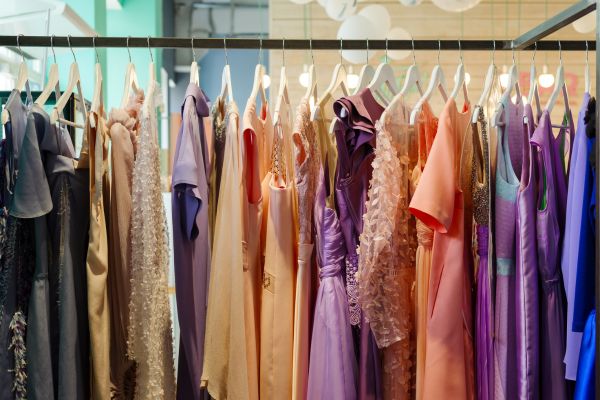
Fashion has always reflected more than personal style. It reveals habits, priorities, culture, and increasingly, values. Over the last decade, conversations around clothing have shifted noticeably. People are asking harder questions about where garments come from, who makes them, and how production affects the environment.
That growing awareness has pushed sustainable fashion from a niche movement into a broader cultural discussion. Still, the topic remains complicated. Sustainability in fashion is rarely perfect, and many shoppers feel overwhelmed trying to separate meaningful efforts from clever marketing language.
The best sustainable fashion brands tend to share a few common traits. They focus on thoughtful production, better materials, slower manufacturing cycles, and greater transparency. More importantly, they encourage people to rethink the relationship between clothing and consumption itself.
Sustainable fashion today is less about achieving perfection and more about making more conscious choices over time.
Why Sustainable Fashion Matters More Than Ever
The modern fashion industry moves at extraordinary speed. New collections appear constantly, trends change weekly online, and low-cost clothing has become easier to access than ever before.
While that accessibility has benefits, it also carries consequences. Large-scale textile waste, water pollution, overproduction, and labor concerns have become increasingly difficult to ignore.
Many people now recognize that clothing is not disposable, even if the industry sometimes encourages it to feel that way.
Sustainable fashion attempts to slow that cycle down. It promotes durability over constant replacement and encourages consumers to think beyond impulse purchases.
Interestingly, this shift has also changed how people define style. Instead of chasing endless trends, many are gravitating toward timeless clothing that feels wearable for years rather than months.
What Makes a Fashion Brand Sustainable
The term “sustainable” can mean different things depending on the brand. Some companies focus heavily on environmentally friendly fabrics, while others prioritize ethical labor practices or reduced waste.
There’s rarely one single factor that determines whether a brand qualifies as sustainable. Instead, it’s usually a combination of efforts.
Materials matter significantly. Organic cotton, recycled fibers, linen, hemp, and low-impact dyes tend to reduce environmental strain compared to conventional manufacturing methods.
Production practices matter too. Smaller production runs often create less waste, while transparent supply chains help consumers understand how garments are made.
Durability also plays an important role. Clothing designed to last naturally reduces overconsumption.
The best sustainable fashion brands typically understand that sustainability is not only about materials but also about encouraging slower, more intentional shopping habits.
Patagonia and the Shift Toward Responsibility
Patagonia is often one of the first names mentioned in sustainable fashion discussions, and for good reason.
Originally known for outdoor clothing, the company became influential because it openly discussed environmental responsibility long before sustainability became a mainstream marketing trend.
Patagonia has consistently encouraged garment repair and long-term use rather than excessive purchasing. That philosophy alone shifted how many consumers thought about clothing ownership.
Its approach also highlighted an important truth: sustainability isn’t only about creating new products differently. Sometimes it’s about helping people keep existing items longer.
The brand’s emphasis on recycled materials and environmental activism has helped shape broader industry conversations over the years.
Reformation and Modern Sustainable Style
Reformation helped change the perception that sustainable fashion had to look plain or overly practical.
The brand became popular partly because it merged trend-aware silhouettes with environmentally conscious production methods. Dresses, tailoring, and minimalist pieces felt contemporary without abandoning sustainability messaging.
What made Reformation particularly influential was its ability to appeal to younger audiences interested in both aesthetics and ethics. It showed that sustainable clothing could still feel stylish, relaxed, and culturally relevant.
That balance remains important today because sustainability conversations tend to resonate more when people feel emotionally connected to the clothing itself.
Everlane and the Rise of Transparency
Everlane became widely recognized for emphasizing “radical transparency,” particularly regarding pricing and factory information.
Consumers increasingly want to know how garments are produced, and Everlane tapped into that curiosity by openly discussing sourcing and manufacturing practices.
Minimalist basics also contributed to the brand’s popularity. Clean silhouettes, neutral palettes, and timeless wardrobe staples aligned naturally with the growing capsule wardrobe movement.
The connection between minimalism and sustainability is difficult to ignore. When clothing feels versatile and durable, people often buy less overall.
Stella McCartney and Luxury Sustainability
Stella McCartney played a major role in bringing sustainability into luxury fashion conversations.
For years, high-end fashion often relied heavily on leather, fur, and resource-intensive production methods. Stella McCartney challenged those traditions by building collections around cruelty-free alternatives and environmentally conscious innovation.
Her work demonstrated that sustainability could exist within luxury spaces without sacrificing creativity or craftsmanship.
The influence of designers like Stella McCartney extends beyond individual collections. They help push larger fashion houses toward broader sustainability discussions that once felt uncommon within luxury circles.
Smaller Independent Brands Are Reshaping Fashion Too
Large brands often dominate headlines, but smaller independent labels continue to shape sustainable fashion in meaningful ways.
Many local designers focus on limited production runs, handmade garments, deadstock fabrics, or made-to-order systems that reduce waste significantly.
These smaller operations frequently prioritize craftsmanship and slower production timelines over mass manufacturing speed.
There’s also a personal quality to independent sustainable brands. Consumers often feel more connected to the people behind the clothing because the process feels visible rather than distant.
That sense of connection changes shopping behavior. Clothes stop feeling disposable when people understand the time and care involved in creating them.
Sustainable Fashion Is Also About Buying Less
One of the most overlooked aspects of sustainability is consumption itself.
Even the best sustainable fashion brands cannot fully offset the environmental impact of excessive shopping habits. Buying thoughtfully often matters just as much as choosing ethical brands.
Many people now build smaller wardrobes centered around versatile, durable pieces rather than constantly rotating trends. Capsule wardrobes, secondhand shopping, vintage fashion, and clothing repair have all gained popularity for this reason.
There’s a growing understanding that personal style doesn’t require constant newness.
Interestingly, sustainable fashion has encouraged many people to reconnect with clothing emotionally. Garments become things to care for rather than replace immediately.
The Challenges Sustainable Brands Still Face
Despite progress, sustainable fashion remains complicated. Environmentally responsible production often costs more, which can make pricing inaccessible for some shoppers.
There’s also ongoing debate around greenwashing, where brands use sustainability language without making meaningful changes behind the scenes.
Consumers have become increasingly skeptical of vague claims like “eco-friendly” or “conscious collection” without clear explanations attached.
No fashion brand is completely impact-free. Manufacturing clothing still requires resources, transportation, labor, and energy. The difference usually lies in whether companies actively attempt to reduce harm while improving transparency.
That complexity is important to acknowledge because sustainability conversations can sometimes become oversimplified online.
Why Secondhand Fashion Continues to Grow
The rise of resale platforms and thrift culture has changed sustainable fashion dramatically.
Secondhand shopping extends the lifespan of garments and reduces demand for constant new production. It also allows people to experiment with style more affordably while participating in circular fashion systems.
Vintage clothing carries emotional appeal too. Older garments often feel more unique, textured, or durable compared to some mass-produced modern pieces.
For many shoppers, sustainability has become less about strict rules and more about developing a healthier relationship with consumption overall.
Sustainability and Personal Style Can Coexist
One misconception about sustainable fashion is that it limits creativity or individuality. In reality, many people find the opposite happens.
When wardrobes become more intentional, personal style often becomes clearer. Instead of chasing every microtrend, people begin identifying silhouettes, fabrics, and colors they genuinely enjoy wearing repeatedly.
The best sustainable fashion brands tend to support that mindset by creating versatile clothing designed to remain wearable across seasons.
Style becomes less reactive and more personal.
That shift may be one of the most lasting cultural effects of sustainable fashion itself.
Conclusion
The conversation around the best sustainable fashion brands is ultimately about more than clothing alone. It reflects changing attitudes toward consumption, craftsmanship, ethics, and long-term value.
Brands like Patagonia, Reformation, and Everlane have helped push sustainability into mainstream fashion discussions, while independent labels and secondhand markets continue reshaping how people think about style altogether.
Sustainable fashion is not about achieving perfection overnight. It’s about becoming more aware of how clothing is made, how often it’s worn, and what role fashion plays in everyday life. Over time, even small shifts toward thoughtful buying habits can create meaningful change — not only for wardrobes, but for the industry itself.